Repellent sprays scatter ant scouts, split colonies into satellite nests, and cause the population to spread. Non-repellent bait transfer technology reaches the queen. Show Me Pest Control uses the correct method in Christopher -- the one that ends the infestation instead of redistributing it.
Four core protocols that produce colony-level elimination -- not surface suppression.
Every treatment plan starts with species ID. The product we apply for odorous house ants is not the same product we apply for carpenter ants or fire ants -- the species determines the bait formulation, placement location, and follow-up schedule.
Professional-grade gel baits and granular baits in non-repellent formulations are placed precisely in harborage zones, foraging corridors, and satellite nest locations. Workers cannot detect the active ingredient, carry it back to the colony, and share it through trophallaxis. The population collapses from within over 3 to 10 days.
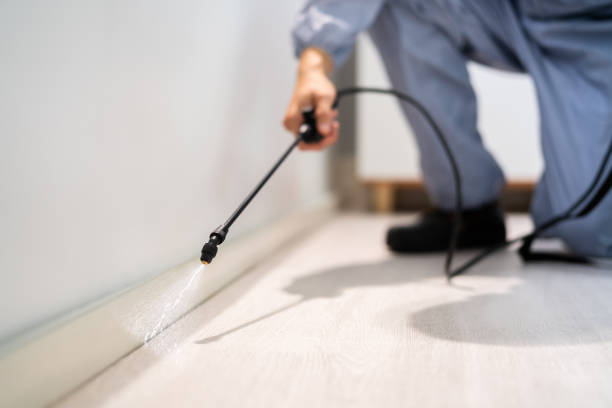
Repellent products at the perimeter push ants to find new entry points. Non-repellent products let them walk through freely -- carrying the active ingredient into the colony. We use non-repellent formulations exclusively at the perimeter, maintaining the transfer mechanism that eliminates the population.
When carpenter ants establish in a structural wood member, the correct treatment is void injection into the gallery, not surface spray near the activity. We locate the gallery, inject insecticide directly, and apply a barrier at the entry corridor to prevent re-establishment.
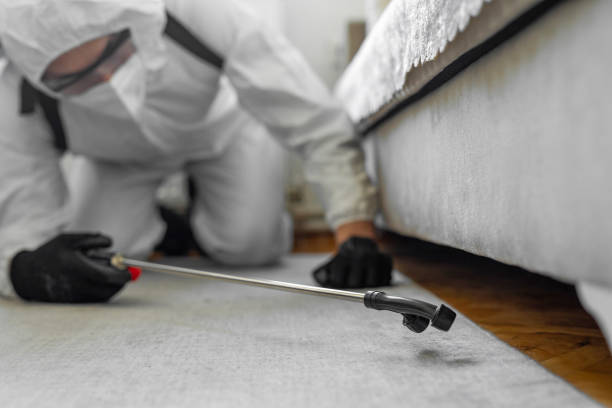
What the spray kills is the forager -- the worker you can see. The workers you cannot see, the queen, and the developing brood are in a harborage zone that is typically behind a wall, inside a void, or in the foundation soil adjacent to the structure. The colony detects the repellent barrier and redirects around it, establishing new satellite nests on the far side. This is why ants treated with repellent products tend to appear in new areas of the home within 7 to 14 days.
Trophallaxis is the mechanism that makes colony-level elimination possible. When non-repellent bait is placed in the harborage zone or at a point where foragers return with food, they share it directly with the queen and the developing larvae. The active ingredient spreads through the entire population because no ant in the colony can detect it. The collapse timeline is 3 to 10 days for most species, depending on colony size and the level of bait acceptance.
Sprayed for ants in Christopher and they keep coming back? Call +1-866-315-0243. We apply non-repellent bait that reaches the queen -- the spray cycle stops here.
A separate failure mode with consumer bait is aversion development. When an ant colony has been exposed to a bait formulation multiple times, it develops a behavioral avoidance response -- workers begin to identify the attractant compound as a threat rather than a food source. This is why the hardware store bait works the first time a homeowner places it, then stops working when they replace the station with the same product. Professional programs use rotating formulations and professional-grade attractants specifically designed to prevent this aversion cycle.
Carpenter ant treatment begins with confirming that you have carpenter ants rather than any other large black ant species, and confirming that an active gallery exists within the structure. Coarse sawdust-like frass near structural wood members, particularly window headers, door frames, sill plates, and roof soffits -- especially where moisture damage is present or was repaired in the past -- is the primary diagnostic sign. Hollow-sounding timbers when knocked and large black ants near the frass location confirm the assessment. Void injection delivers the active ingredient directly to the gallery where the colony is nesting, rather than spraying the surface where foragers are observed.
Seasonal ant pressure in Christopher, IL follows a predictable pattern that affects both the timing of infestations and the effectiveness of different treatment approaches. In spring, ant colonies enter a budding phase -- queens produced the previous fall begin establishing new satellite nests, and the overall population expands rapidly. This is when homeowners typically notice the first indoor trails of the season, as expanding colonies push foragers into new territory including interior spaces. Summer pressure peaks during periods of heat and drought, when ants search for water and food sources inside cooled structures. Fall ingress occurs as temperatures drop and colonies seek the thermal stability of wall voids and foundation spaces before the first cold period. A recurring annual treatment program timed to address the spring budding phase and maintain a non-repellent perimeter through the summer and fall is the most cost-effective long-term approach for properties with persistent ant pressure.
Species identified, harborage zone mapped, protocol explained -- on the first call.
Call +1-866-315-0243Six services covering the full range of ant situations in Christopher and surrounding areas of Christopher, IL.

We identify the species first -- Argentine, odorous house, pavement, fire, or carpenter -- because the treatment protocol depends entirely on the species. Misidentification wastes money and scatters the colony.
Non-repellent gel and granular bait placed where the colony feeds, not where it travels. The entire population is reached.
Non-repellent residual applied at the foundation line, entry points, and foraging corridors. Ants carry the active ingredient back to the colony rather than being repelled into new routes.
We locate the gallery, inject directly into the excavated cavity, and seal the access point after treatment. Surface spray is not part of the carpenter ant protocol.
Professional fire ant granular broadcast applied in early season prevents the mound establishment cycle that produces dozens of active mounds by midsummer.
Three-season program covering the budding, foraging, and ingress phases. Proactive treatment at each phase costs less than late-stage reactive treatment after a full infestation.
Species to bait to perimeter to confirmation -- the full process, explained.
Phone assessment narrows the species. On-site confirmation finalizes the treatment approach before any product is opened.
Gel bait goes where the colony feeds and communicates, not where the trail is visible. Harborage zone placement is the key.
Exterior non-repellent perimeter creates a second transfer pathway. Both treatments work simultaneously to collapse the colony.
We confirm colony collapse at the follow-up rather than assuming the single treatment was sufficient. This is where persistent satellite nests are identified.
Three situations where species identification and non-repellent bait produced results retail products could not.
We had been spraying a trail every single day for three weeks. The trail kept reappearing in the exact same location every morning. Show Me Pest Control identified odorous house ants with a satellite nest inside the wall behind the dishwasher. Non-repellent gel placed inside the cabinet toe-kick cavity. Colony confirmed collapsed at the follow-up visit. We have not seen a trail since.
Every trap I bought the ants walked right past. Show Me Pest Control said the colony had been exposed to that formulation too many times and was conditioned to avoid it. Professional bait placed in the harborage zone, not on the trail. Activity dropped within 72 hours.
Found large black ants near my living room window and a pile of coarse sawdust in the windowsill. A previous pest company told me it was just regular ants and sprayed around the outside. Show Me Pest Control immediately identified it as a carpenter ant gallery in the window header. Void injection, sealed the entry point. No frass production at the 3-week follow-up. That spray company missed it completely.
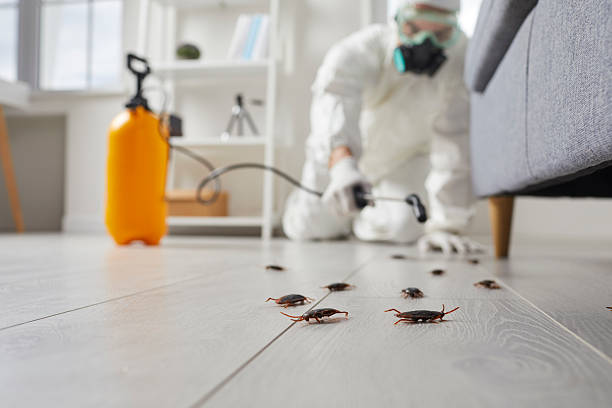
Same-day assessment in Christopher. Species identification and non-repellent bait placed on the first visit.
Call +1-866-315-0243